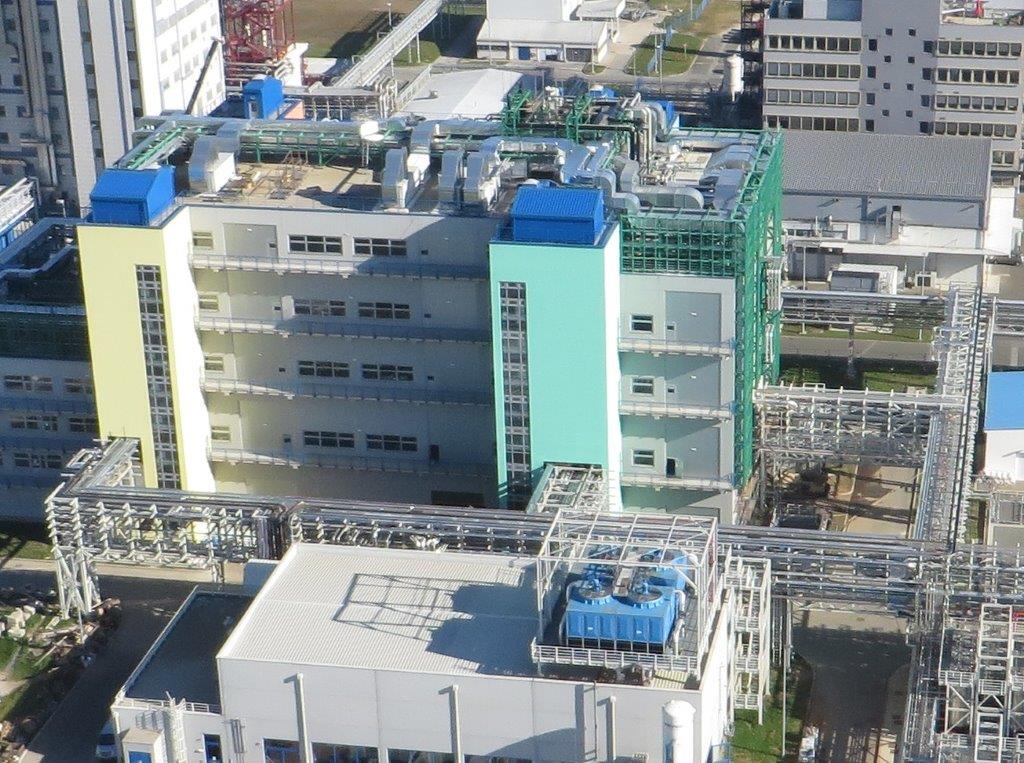
Active pharmaceutical Ingredient production is a high tech, high stakes business
API production: What is an Active Pharmaceutical Ingredient?
An Active Pharmaceutical Ingredient (API) is by the U.S. Food and Drug Administration defined as the following: Any substance or mixture of substances intended to be used in the manufacture of a drug (medicinal) product and that, when used in the production of a drug, becomes an active ingredient of the drug product. Such substances are intended to furnish pharmacological activity or other direct effect in the diagnosis, cure, mitigation, treatment, or prevention of disease or to affect the structure or function of the body.
Teva api, global leader in Active pharmaceutical Ingredientproduction and development
In other words The Active Pharmaceutical Ingredient is the part of the drug that produces its effects. The leading manufacturer of APIs today is Teva api, which Specializes in range of API-related production methods. Teva api’s expertise includes chemical synthesis, fermentation, chromatography and plant extraction and is the industry’s largest producer and developer of API products, with over 400, sold to over 1,000 customers around the globe.
API Production Methods
Teva api’s state-of-the-art production sites are located in Italy, Hungary, the Czech Republic, Croatia, Israel, India, Mexico, and its two main methods to manufacture API’s are chemical synthesis and fermentation.
Chemical synthesis. Most API’s are produced by chemical synthesis, from a range of compounds. Chemical synthesis involves highly complex chemistry, equipment and procedures. Teva api was a global pioneer in this technique and is still the number one developer and producer of chemically synthesized API’s.
Fermentation. Teva api has also been a pioneer in the development of fermentation based API’s and its portfolio of biotechnologically manufactured API’s is steadily growing. Basically the fermentation process enables living microorganisms to produce the desired active ingredient.
Production of High Potency Active pharmaceutical Ingredient
A growing number of pharmaceutical products contain Highly Potent Active Pharmaceutical Ingredients (HP APIs) – molecules that are effective at much smaller dosage levels than traditional APIs. Teva api was a pioneer of HP API production and its long tradition of highly potent product manufacturing dates back to the 1980s. Initially, the focus at its High Potency sites was on steroids and steroidal hormones. Later they added oncolytic drugs, muscle relaxants (anaesthesia) and drugs for pulmonary diseases (e.g., COPD and asthma). Today Teva api operates four main High Potent sites: two in Italy, one in the Czech Republic, and one in Mexico. In addition to meeting industry needs for injectable and respiratory drugs, Teva api has also introduced lyophilization (freeze-drying) and micronization processes on a commercial scale.
Significant investment in Research & Development generates a steady flow of Active pharmaceutical Ingredient production
Teva api’s significant investment in Research & Development generates a steady flow of API compounds, enabling its customers to go to market with new pharmaceutical products more quickly. About half of Teva api’s R&D expenditure is dedicated to improving process efficiency and automation, to help its customers reduce costs and remain competitive in the global marketplace.
If you are interested in working in close co-operation with our profession and friendly team to produce your new or existing formulation based on high quality API’s, or would like to know more about Teva api’s production capabilities, expertise or facilities, please contact us – We would be delighted to answer your questions, queries or enquiries.
Active Pharmaceutical Ingredients have several important physical properties including polymorphism, water content, density and particle size. Particle Size Distribution, or PSD, has a direct influence on material properties such as: flowability, handling, dissolution rate, stability, and efficacy of delivery.
Our webinar, The Perfect Particle — Why Size Matters, was a deep-dive into the world of particle size. Particle size is one of the first physical properties that needs to be considered in an active pharmaceutical ingredient (API).
During the webinar, Zohar De-Valenca, our Senior Manager of Manufacturing Sciences & Technology, spoke to our listeners about why particle size is so crucial and what top technologies exist for the milling of APIs. Enrico Bettitini, Subject Matter Expert in Solid State, then answered questions from the audience.
Second article in the “Elemental Impurities” series – To protect patient health and the world’s drug supply, drug manufacturers go to great lengths to ensure their drug products are safe, effective and meet stringent regulatory requirements before going to market, as do active pharmaceutical ingredient (API) suppliers for such drug products.
In recent years, companies have adopted more advanced analytical techniques and invested in state-of-the art instrumentation to make sure their products are as pure as possible.
Teva api uses trace analysis techniques to test active pharmaceutical ingredients for impurities that could be harmful, even in very small quantities. Researchers have different interpretations of what constitutes a “trace” amount. Some define it as a concentration of less than 1ppm; others view it as a concentration that is low enough to make accurate analysis difficult. At Teva api, a trace amount ranges from the ppb level to a few tens of ppms.
Patient drug dosages typically include a mg level of APIs per day but usually do not exceed 10g per day. In a worst case patient exposure scenario, 10ppm of an impurity in a 10g per day API dosage corresponds to 100µg per day.
Why trace analysis is so important in APIs
Pharmaceutical impurities originate from several sources. Some could be toxic, while others are not. They can occur naturally in raw materials, be created during the manufacturing process, or form during drug product shipment or storage. Regulatory agencies worldwide continually evaluate and update their guidelines to ensure drug products are as safe as possible before they are approved for market.
The dangers of toxic impurities – especially genotoxic impurities – were widely publicized in 2007 when the HIV drug Viracept (nelfinavir mesylate) was recalled worldwide. After patients complained the tablets had a strange odor, the manufacturer launched an investigation and found elevated levels of Ethyl methanesulfonate, a known alkylating agent that is harmful to DNA and can cause cancer. The incident also exposed a weakness in regulatory guidelines in effect at the time. As a result, tighter controls were instituted.
Quality is the foundation upon which Teva api is built and we take extraordinary measures to ensure we produce high-quality APIs that our customers can trust. All Teva api products are routinely evaluated and tested for impurities to ensure they are safe and meet or exceed regulatory standards worldwide.
When trace analysis is performed, there are two possible scenarios:
Routine analysis performed by the Quality Control Department (QC). This can take place after method development at R&D, followed by validation. In this case, the method must be as simple and as robust as possible.
Analytical R&D evaluation. Such methods may use the most advanced techniques and the most exotic preparations. Hyphenated techniques like liquid chromatography coupled with mass spectrometer (LC/MS), supercritical chromatography coupled with mass spectrometer (SFC/MS) or gas chromatography coupled with mass spectrometer (GC/MS) are especially useful in such cases.
Detecting organic and inorganic impurities require different approaches
Generally speaking, all chemicals are divided into two groups: inorganic and organic. Obviously there can be combinations of both such as organometallic, but from an analytical chemistry perspective, substances can be categorized in these two basic groups.
When it comes to trace analysis, the approach to inorganic impurities is relatively simple. Almost all of them can be analyzed by Inductively Coupled Plasma – Mass Spectrometry (ICP-MS) as explained in this article by Teva api R&D Associate Director Mislav Runje.
However, analysis of organic impurities is much more complex. They may be classified into the following four groups:
Genotoxic: an impurity with a high risk of causing genetic mutations or cancer
For example, sulfonyl chlorides are very useful reagents in organic chemistry for hydroxyl activation, but products of such activation (sulfonate esters), are known as genotoxic and should be treated according to ICH M7 guideline to ensure that traces of such compounds are not carried over to the API.
Teva api carefully evaluates all products for genotoxic impurities in the development phase to ensure we consistently deliver high-quality products to our customers. Highly-trained synthetic chemistry experts use computational toxicity prediction tools as part of the process.
Highly toxic: impurities with a known toxicological acceptable limit that might be lower than the TTC (Threshold of Toxicological Concern) or even not genotoxic
Well-known toxic materials may be assigned to this group such as Cyanide, mustards, certain phosphorous compounds, and many other chemicals that might be very useful in synthetic chemistry but are also very toxic to living organisms. Sometimes Ion Chromatography is used effectively to measure trace amounts of these substances.
Class 1 residual solvents
These highly toxic solvents that could cause cancer or pose an environmental hazard, and should be avoided in pharmaceutical manufacturing.
Teva api does not use class 1 solvents in the manufacturing process, however other common solvents may contain class 1 solvents as impurities. For example, toluene, acetone and ethanol (and some other commonly used solvents) may contain benzene as an impurity, and dichloromethane may contain carbon tetrachloride as an impurity. Regulations for residual solvents, which are based on toxicological considerations, are described in the ICH Q3R guideline and its amendments. Headspace Gas Chromatography (HS GC) equipped with mass spectrometer (MS), flame ionization (FID) or electron capture detectors (ECD) are the most suitable techniques for this type of analysis.
Others: an impurity that is not necessarily toxic, but trace levels need to be determined
Sometimes trace analysis is required, not because of toxicological concerns, but because analytical chemistry is addressing impurities as weight/weight. In some cases when low molecular weight (MW) reagents or impurities and high MW main product are involved, traces reported as weight/weight correspond to a large amount of unfavorable molecules. In other words in certain cases, trace level impurity, which is negligible from a toxicological point of view, is actually very significant due to its ability to lead to a large amount of by-products.
Trace analysis provides the greatest challenges in analytical chemistry and the most innovative solutions. Decades of experience have taught us that the right technique combined with proper sample preparation is the key to success.
Teva api is committed to consistently delivering high-quality APIs, and trace analysis is a crucial step in achieving those results. We maintain a highly-regulated work environment that aligns with ICH and MOH guidelines and requirements around the world. Every process we follow and every action we take is done with our customers’ best interests in mind. Teva api’s culture of continuous improvement motivates us to find ways to make our processes even better, so our customers – and their patients around the world – can be confident their drug products will continue to be reliable, safe and effective.
Article Actions
Has your company conducted a risk assessment for the presence of organic and inorganic impurities in our drug products?
Has your company reviewed its trace analysis procedures to ensure they meet current regulatory guidelines and requirements?
Would you like teva api’s experts to consult with us to ensure our procedures and production processes are up to date?
Even though pharmaceutical peptides were first introduced decades ago, peptide production is still considered a young market with promising therapeutic capabilities and exciting potential for the API industry.
Learn about Teva api’s capabilities in peptides production and how it can benefit your projects.
Most APIs are manufactured with established processes and state-of-the-art technology. Teva api and its strategic partner Novetide are also pioneering a biologic approach to produce peptide APIs. Scientific advancements over the past several years have resulted in peptide APIs with more stable molecules, allowing them to be produced in larger quantities. With a greater supply of peptide APIs available, pharmaceutical companies can develop new and more effective drug treatments for larger markets.
What are peptides?
A peptide is a compound of two or more amino acids in which a carboxyl group of one is united with an amino group of another. Amino acids are the building blocks of life and are found in all living organisms. Peptides regulate critical functions such as burning fat, building muscle, and serve as hormones and neurotransmitters. Because some are able to pass through cell membranes, they can deliver drugs that fight cancer and other serious diseases affecting the cardiovascular, respiratory, gastrointestinal, and nervous systems.
“Process automation, especially in large scale production utilizing hundred kg. capacity lines, enables our facilities to strictly control process parameters which leads to high batch-to-batch consistency.”
Peptide-based drugs accumulate in low levels in body tissue, which reduce toxicity levels. They are highly selective which makes them effective at lower doses with less serious side effects. However, they are short-lived and doses must be administered more frequently. Most are administered parenterally since their oral bioavailability is extremely low. More than 60 peptides are on the market today and hundreds more are in development.
Teva api – Novetide: a pioneer of peptides API production
Manufacturing peptide APIs is a complex process involving sophisticated technology and expert oversight. Teva api – Novetide was an early pioneer in peptide API development, and we have accumulated a wealth of knowledge and experience in this highly-specialized field. We offer a unique interface between classic solution-phase chemistry, solid-phase synthesis, fragment condensation and other novel technologies. State-of-the-art downstream processing (DSP) technologies and innovative methodologies enable us to address a wide range of customer needs. Teva api – Novetide produces a comprehensive portfolio of peptide APIs at five plants in Israel, and we are able to deliver quantities at any scale, from several grams to hundreds of kilograms per year. The teams who manage production are highly qualified in analytical operations and are among the best trained in the industry.
As with every product that Teva api- Novetide manufactures, quality and compliance are top priorities. We comply with current Good Manufacturing Practice standards (cGMP) and enforce rigorous end-to-end control from product development to delivery. We strive to deliver quality beyond compliance, by setting internal standards that exceed current regulatory guidelines worldwide. Our peptide manufacturing facilities have been inspected several times by regulatory agencies and our audits have been successful. Teva api’s Quality teams take these steps to ensure we consistently deliver peptide APIs that our customers can trust.
“When it comes to the quality of raw materials, we exercise strict control of quality attributes, which eventually affect API quality, including diastereoisomers and other related impurities. Special attention is given to synthetic amino acids as building units.”
Peptides APIs production challenges
Producing peptide APIs is complex. In order to deliver a high quality product, many challenges must be addressed.
Characterization – Peptides have a secondary structure which may result in aggregation and an impurity profile with high similarity to the API and to each other. Bioactivity determination using complex methods to develop may be required.
Regulatory guidelines, such as the ICH Q3A, exclude peptides. Manufacturing peptide APIs is complex and no specific guidelines are in place to ensure high-quality production.
Thus, various tools are combined to address quality needs which will eventually enable the commercialization of our product by regulatory authorities, such as the FDA.
Quality by design
In order to achieve product quality through peptide production, we start with a well thought-out project management process. We define the framework of product quality through its quality attributes related to the route of administration, dosage and capacity of API production. When it comes to the quality of raw materials, we exercise strict control of quality attributes, which eventually affect API quality, including diasteroisomers and other related impurities. Special attention is given to synthetic amino acids as building units.
The process involves design space with tools like DOE that enable control of product quality, and eventually ensure high quality and batch-to-batch high consistency. This is so important for such a multi- step complicated process, especially while implementing various complex dosage forms like depot formulations, etc.
Peptides automation process
Peptide synthesis is a multi-step complicated process which involves dozens of chemical steps followed by a rigorous purification campaign. Process automation, especially in large scale production utilizing hundred kg. capacity lines, enables our facilities to strictly control process parameters which leads to high batch-to-batch consistency.
Continuous improvement and collaboration build strong customer partnerships
The need for new, more complex peptide-based drugs is growing and Teva api – Novetide is taking a proactive approach to ensure we continue to meet customer demand. In Teva api – Novetide’s culture of continuous improvement, we evaluate our processes on an on-going basis and find ways to do things better. We are always looking for opportunities to expand our peptide API portfolio, improve our technology, work more quickly and efficiently, and increase capacity. We strive to anticipate our customers’ needs and expectations throughout the entire product lifecycle and deliver outstanding support, including through their product development phase.
We view our customers as long-term partners and collaborate closely with them to make sure their projects keep moving forward. Our Regulatory Affairs team is available to support them during the submissions process to help them receive on-time approval. If an issue arises during formulation or they need a different specification, we will help work through the issue and develop a joint solution.
Peptide therapeutics will continue to be a growth area for the pharmaceutical industry, and Teva api- Novetide is well-positioned to support it with industry-leading peptide-related services. With our specialized know-how, world-class team, cutting-edge technologies and fully-equipped production plants, we are excited about the role we’ll play transforming promising drug candidates into viable industrial-scale peptide products.
Article Actions
Would you like to understand how peptide APIs can improve your drugs? Contact us
Teva api’s New State-of-the-Art Plant Delivers Fast, Flexible Service
The new state-of-the-art API plant, called Synthesis SM2, formally opened in April 2016 at our Savski Marof site in Croatia. Teva api designed the plant as a multi-purpose facility with industry-leading manufacturing capabilities to meet all of our customers’ needs. Synthesis SM2 was built with sophisticated reactors, isolation/filtration units, filter and paddle vacuum dryers, and solid handling units (isolators, down flow booths and powder transfer systems). The first phase of the plant is currently online and the facility will be fully operational by the end of the year.
New Croatia plant enhances customer experience
This is Teva api’s third production facility at this location and it is already benefitting our customers in a number of ways, including:
High tech processes that produce the highest quality APIs. In planning the facility, one of Teva api’s top considerations was the use of product containment technologies to produce the highest quality APIs while ensuring the highest level of protection for our employees. The primary containment system includes closed production equipment and systems, down flow booths, in-line and off-line cleaning. The secondary containment system provides additional protection through clean rooms, access control and sophisticated HVAC systems. Safety features and an advanced distributed control system ensure we have rigorous process control and monitoring procedures and secure data storage that meet current Good Manufacturing Practice (cGMP) requirements and EHS standards, as well as new R&D guidelines.
Greater production flexibility. With the flexibility to produce different APIs with different chemical syntheses operations on the same state-of-the-art equipment, the plant is able to respond more quickly to customers’ changes, such as requests to increase product quantity or an order for a different active pharmaceutical ingredient. Currently, the plant focuses on batch production of highly potent APIs (OHC-4 level) for a variety of drug products including solid oral dosage forms and parenterals, and can accommodate orders ranging from 10 kilograms up to hundreds of kilograms.
Increased production capacity.With Synthesis SM2 now online, we are able to streamline supply chain processes and fill and ship orders more quickly so customers have the materials they need to begin production on time. When the facility reaches full production capacity, it will be able to manufacture as many as 20 APIs to meet market demand worldwide.
Strong commitments to customers and our community
Product quality and prompt response to customer requests guide us in our day-to-day activities. Employees who work at the new Savski Marof plant are dedicated to developing best-in-class products that meet or exceed industry standards and government regulations. We always keep in mind that the pharmaceutical ingredients we produce will be used in drug products designed to improve the lives and health of millions of people around the world.
We also take our responsibility to protect the environment very seriously. The plant uses the best technology on the market today to pre-treat wastewater and gas emissions to make them safe, and ensure our processes comply with stringent environmental standards. A sophisticated Membrane Bio Reactor (MBR) treats wastewater on site and a regenerative thermal oxidizer (RTO) provides state of the art vapor emissions reduction and control for the plant. Teva api Croatia is committed to operating clean and green production facilities, reducing its environmental impact on the surrounding community, and improving the ecological status of the entire site.
Customer feedback leads to continuous improvement
We consider Teva api customers our long-term partners and we count on their feedback to help us make continuous improvements in our operations. In the short time the plant has been on line, we are pleased that we are exceeding our targets for customer satisfaction and delivery reliability, and will work hard to maintain an excellent track record.
As Gabriela Mateša, Plant Coordinator noted, “Customer experience means we go above and beyond the norm. It is our ability to anticipate their needs and react quickly to deliver outstanding products and services on time.” “Customer feedback is shared with all employees,” Siniša Feichtinger, Technological Process Leader, pointed out. “We know that our daily activities contribute to customer satisfaction and that empowers us to do an even better job.” Zvonimir Lacković, Technological Process Worker, feels that outstanding customer experience results from a combination of factors. “When best-in-class systems, tools and processes are combined with employee engagement and empowerment, it creates a culture of continuous improvement. It’s a new way of working and in the end, our customers will be the true beneficiaries.”
To learn how Teva api’s team of experts can meet your specialized needs, please contact us.


 In recent years, companies have adopted more advanced analytical techniques and invested in state-of-the art instrumentation to make sure their products are as pure as possible.