Established healthcare systems have seen the greatest benefits. But according to the International Monetary Fund, 85 percent of the world’s population – 6 billion people – live in developing or emerging markets, with limited or no options for safe and effective drug products to properly treat medical disorders.

In recent years, while patents have expired and growth has slowed in mature markets, pharmaceutical companies have reinforced the ways to better serve emerging markets. Many “emerging markets” have growing economies and regulatory agencies that are being created or upgraded to institute tighter quality controls. With higher populations able to access medicines, there is an ongoing shift from acute to chronic treatments similar to those in mature markets, like diabetes, obesity and cardiovascular disease. Top-tier emerging markets include Brazil, Russia, India and China (referred to as the BRIC countries) followed by Southeast Asia, Latin America and Africa. While all are categorized as “emerging,” they are far from the same.  Each has widely differing demographics, government infrastructure, healthcare availability and affordability, cultural diversity, and industry regulations.

Go-to-market strategies used in mature markets have often proved ineffective in emerging ones. Pharmaceutical companies entering these markets have learned that in order to succeed, they need to adopt an entirely new approach customized for each country.

Market expansion is a challenging and complex process – mainly from regulatory perspective

One of the biggest challenges for companies entering emerging markets is learning how to successfully navigate the different requirements in each country’s regulatory process. Teva api devotes a significant amount of resources adjusting to market-specific requirements.  For example, the Brazilian ANVISA has instituted new regulations that require drug products to meet stability standards for tropical zones (IVb). In mature markets, most drugs are required to meet standards for temperature controlled, air conditioned environments. But in Brazil, APIs and drug products distributed there have to maintain stability and efficacy in high heat and humidity. A similar challenge exists in India, where companies are now required to adopt the local pharmacopoeia to attain local registration.

Markets also require different processes for registering Drug Master Files (DMFs). In some cases, Teva api submits the DMF to the Ministry of Health and it grants access to our customer; in other countries, Teva api ’s customer is the one required to submit the DMF for Ministry review. Teva api ’s Regulatory Affairs team often works closely with customers on the submission process. They have many years of experience successfully handling regulatory submissions and stay up-to-date on the requirements in each country, so our customers can go to market as quickly as possible.

Getting started and achieving success in emerging markets – our main 6 steps. Based on Teva api’s experience, there are several steps pharmaceutical companies might want to consider before entering or expanding in an emerging market, including:

  1. Creating a targeted strategy. Companies should seek to identify and focus on consumer segments within emerging markets and pinpoint drug products that meet their needs. It is important to learn how consumers access and pay for healthcare, and determine the most effective way to manufacture and distribute medicines. For Teva api, therefore, selection of the correct portfolio is critical for supporting its customers in specific therapeutic areas.
  2. Being first to market. This has perhaps been the number one challenge for many pharmaceutical companies in recent years. Experts have concluded that drug manufacturers will be more likely to succeed in markets with such early access in a fairly developed healthcare system, but It is also essential in growth markets for companies to determine the benefits of early market entry: whether consumers will have access to their medicines and whether there are local incentives for being the first to market. Teva api seeks to meet the needs of its customers to help them where possible be the first to gain market access.
  3. Understanding the regulatory and IP environment. Companies should acquire in-depth knowledge of the market’s regulatory standards and be able to keep pace with changes. It is essential to develop good working relationships and having open and transparent communication with regulatory authorities and local public bodies. In order to secure their IP position, companies need to develop the right strategy that aligns with the local market.
  4. Establishing a local presence. A local presence in an emerging market can lead to stronger relationships and more effective operations. While a local sales office may be sufficient, some companies might decide to add R&D and manufacturing facilities, or find a reliable partner with operations based in the market or region.
  5. Quality. Quality. Quality! Patients all around the world deserve the highest product quality standards. Our ultimate goal reaches beyond just supplying products that meet compliance standards. We want to help all consumers, no matter where they are, live better lives.
  6. Investing for the long term. Success does not happen quickly. Companies entering or enlarging their footprint in emerging markets need to be prepared to commit time and resources, possibly for several years. Relationships with partners with experience in a market or region may help a company to improve competitiveness and leapfrog other companies for market entry.

Teva api to provide exceptional support to customers in emerging markets

We are currently developing full service capabilities across our entire organization to support customers worldwide who would like to enter new emerging markets. We are establishing local sales offices staffed by local teams to provide one-on-one customer attention, and in some growth countries we operate R&D centers and state-of-the-art manufacturing plants. As regions evolve and customer needs change, marketing designs product portfolios specifically for each market. R&D develops product adaptations for each, and Quality Assurance makes sure specific quality and stability requirements are being met. Regulatory Affairs creates and updates detailed documentation and Supply Chain and Operations ensures products are produced and delivered to the customer.

Because we already have a presence and a proven track record in developing and emerging countries, we use our knowledge and expertise to support customers who are pursuing new market opportunities there.

The future looks promising for the pharmaceutical industry’s growth in emerging markets, and strengthening Teva api’s leadership in those countries will be long-term process. With planning, collaboration and game-changing innovation, we are confident our work will help contribute to our customers’ efforts to enter markets more quickly and improve patient health and wellbeing around the world.

Second article in the “Elemental Impurities” series – To protect patient health and the world’s drug supply, drug manufacturers go to great lengths to ensure their drug products are safe, effective and meet stringent regulatory requirements before going to market, as do active pharmaceutical ingredient (API) suppliers for such drug products.

In recent years, companies have adopted more advanced analytical techniques and invested in state-of-the art instrumentation to make sure their products are as pure as possible.

Teva api uses trace analysis techniques to test active pharmaceutical ingredients for impurities that could be harmful, even in very small quantities. Researchers have different interpretations of what constitutes a “trace” amount. Some define it as a concentration of less than 1ppm; others view it as a concentration that is low enough to make accurate analysis difficult. At Teva api, a trace amount ranges from the ppb level to a few tens of ppms.

Patient drug dosages typically include a mg level of APIs per day but usually do not exceed 10g per day.  In a worst case patient exposure scenario, 10ppm of an impurity in a 10g per day API dosage corresponds to 100µg per day.

Why trace analysis is so important in APIs

Pharmaceutical impurities originate from several sources. Some could be toxic, while others are not. They can occur naturally in raw materials, be created during the manufacturing process, or form during drug product shipment or storage. Regulatory agencies worldwide continually evaluate and update their guidelines to ensure drug products are as safe as possible before they are approved for market.

The dangers of toxic impurities – especially genotoxic impurities – were widely publicized in 2007 when the HIV drug Viracept (nelfinavir mesylate) was recalled worldwide. After patients complained the tablets had a strange odor, the manufacturer launched an investigation and found elevated levels of Ethyl methanesulfonate, a known alkylating agent that is harmful to DNA and can cause cancer. The incident also exposed a weakness in regulatory guidelines in effect at the time. As a result, tighter controls were instituted.

Quality is the foundation upon which Teva api is built and we take extraordinary measures to ensure we produce high-quality APIs that our customers can trust. All Teva api products are routinely evaluated and tested for impurities to ensure they are safe and meet or exceed regulatory standards worldwide.

When trace analysis is performed, there are two possible scenarios:

  • Routine analysis performed by the Quality Control Department (QC). This can take place after method development at R&D, followed by validation. In this case, the method must be as simple and as robust as possible.
  • Analytical R&D evaluation. Such methods may use the most advanced techniques and the most exotic preparations. Hyphenated techniques like liquid chromatography coupled with mass spectrometer (LC/MS), supercritical chromatography coupled with mass spectrometer (SFC/MS) or gas chromatography coupled with mass spectrometer (GC/MS) are especially useful in such cases.

Detecting organic and inorganic impurities require different approaches

Generally speaking, all chemicals are divided into two groups: inorganic and organic. Obviously there can be combinations of both such as organometallic, but from an analytical chemistry perspective, substances can be categorized in these two basic groups.

When it comes to trace analysis, the approach to inorganic impurities is relatively simple. Almost all of them can be analyzed by Inductively Coupled Plasma – Mass Spectrometry (ICP-MS) as explained in this article by Teva api R&D Associate Director Mislav Runje.

However, analysis of organic impurities is much more complex. They may be classified into the following four groups:

  • Genotoxic: an impurity with a high risk of causing genetic mutations or cancer

For example, sulfonyl chlorides are very useful reagents in organic chemistry for hydroxyl activation, but products of such activation (sulfonate esters), are known as genotoxic and should be treated according to ICH M7 guideline to ensure that traces of such compounds are not carried over to the API.

Teva api carefully evaluates all products for genotoxic impurities in the development phase to ensure we consistently deliver high-quality products to our customers. Highly-trained synthetic chemistry experts use computational toxicity prediction tools as part of the process.

  • Highly toxic: impurities with a known toxicological acceptable limit that might be lower than the TTC (Threshold of Toxicological Concern) or even not genotoxic

Well-known toxic materials may be assigned to this group such as Cyanide, mustards, certain phosphorous compounds, and many other chemicals that might be very useful in synthetic chemistry but are also very toxic to living organisms. Sometimes Ion Chromatography is used effectively to measure trace amounts of these substances.

  • Class 1 residual solvents

These highly toxic solvents that could cause cancer or pose an environmental hazard, and should be avoided in pharmaceutical manufacturing.

Teva api does not use class 1 solvents in the manufacturing process, however other common solvents may contain class 1 solvents as impurities. For example, toluene, acetone and ethanol (and some other commonly used solvents) may contain benzene as an impurity, and dichloromethane may contain carbon tetrachloride as an impurity. Regulations for residual solvents, which are based on toxicological considerations, are described in the ICH Q3R guideline and its amendments. Headspace Gas Chromatography (HS GC) equipped with mass spectrometer (MS), flame ionization (FID) or electron capture detectors (ECD) are the most suitable techniques for this type of analysis.

  • Others: an impurity that is not necessarily toxic, but trace levels need to be determined

Sometimes trace analysis is required, not because of toxicological concerns, but because analytical chemistry is addressing impurities as weight/weight. In some cases when low molecular weight (MW) reagents or impurities and high MW main product are involved, traces reported as weight/weight correspond to a large amount of unfavorable molecules. In other words in certain cases, trace level impurity, which is negligible from a toxicological point of view, is actually very significant due to its ability to lead to a large amount of by-products.

Teva api’s analytical expertise ensures customers receive safe, effective APIs

Trace analysis provides the greatest challenges in analytical chemistry and the most innovative solutions. Decades of experience have taught us that the right technique combined with proper sample preparation is the key to success.

Teva api is committed to consistently delivering high-quality APIs, and trace analysis is a crucial step in achieving those results. We maintain a highly-regulated work environment that aligns with ICH and MOH guidelines and requirements around the world. Every process we follow and every action we take is done with our customers’ best interests in mind. Teva api’s culture of continuous improvement motivates us to find ways to make our processes even better, so our customers – and their patients around the world – can be confident their drug products will continue to be reliable, safe and effective.

Article Actions

  • Has your company conducted a risk assessment for the presence of organic and inorganic impurities in our drug products?
  • Has your company reviewed its trace analysis procedures to ensure they meet current regulatory guidelines and requirements?
  • Would you like teva api’s experts to consult with us to ensure our procedures and production processes are up to date?

Even though pharmaceutical peptides were first introduced decades ago, peptide production is still considered a young market with promising therapeutic capabilities and exciting potential for the API industry.

Learn about Teva api’s capabilities in peptides production and how it can benefit your projects.

 Most APIs are manufactured with established processes and state-of-the-art technology. Teva api and its strategic partner Novetide are also pioneering a biologic approach to produce peptide APIs. Scientific advancements over the past several years have resulted in peptide APIs with more stable molecules, allowing them to be produced in larger quantities. With a greater supply of peptide APIs available, pharmaceutical companies can develop new and more effective drug treatments for larger markets.

What are peptides?

A peptide is a compound of two or more amino acids in which a carboxyl group of one is united with an amino group of another. Amino acids are the building blocks of life and are found in all living organisms. Peptides regulate critical functions such as burning fat, building muscle, and serve as hormones and neurotransmitters. Because some are able to pass through cell membranes, they can deliver drugs that fight cancer and other serious diseases affecting the cardiovascular, respiratory, gastrointestinal, and nervous systems.

“Process automation, especially in large scale production utilizing hundred kg. capacity lines, enables our facilities to strictly control process parameters which leads to high batch-to-batch consistency.”

Peptide-based drugs accumulate in low levels in body tissue, which reduce toxicity levels. They are highly selective which makes them effective at lower doses with less serious side effects. However, they are short-lived and doses must be administered more frequently. Most are administered parenterally since their oral bioavailability is extremely low. More than 60 peptides are on the market today and hundreds more are in development.

Teva api – Novetide: a pioneer of peptides API production

Manufacturing peptide APIs is a complex process involving sophisticated technology and expert oversight. Teva api – Novetide was an early pioneer in peptide API development, and we have accumulated a wealth of knowledge and experience in this highly-specialized field. We offer a unique interface between classic solution-phase chemistry, solid-phase synthesis, fragment condensation and other novel technologies. State-of-the-art downstream processing (DSP) technologies and innovative methodologies enable us to address a wide range of customer needs. Teva api – Novetide produces a comprehensive portfolio of peptide APIs at five plants in Israel, and we are able to deliver quantities at any scale, from several grams to hundreds of kilograms per year. The teams who manage production are highly qualified in analytical operations and are among the best trained in the industry.

As with every product that Teva api- Novetide manufactures, quality and compliance are top priorities.  We comply with current Good Manufacturing Practice standards (cGMP) and enforce rigorous end-to-end control from product development to delivery. We strive to deliver quality beyond compliance, by setting internal standards that exceed current regulatory guidelines worldwide. Our peptide manufacturing facilities have been inspected several times by regulatory agencies and our audits have been successful. Teva api’s Quality teams take these steps to ensure we consistently deliver peptide APIs that our customers can trust.

“When it comes to the quality of raw materials, we exercise strict control of quality attributes, which eventually affect API quality, including diastereoisomers and other related impurities. Special attention is given to synthetic amino acids as building units.”

Peptides APIs production challenges

Producing peptide APIs is complex. In order to deliver a high quality product, many challenges must be addressed.

Characterization – Peptides have a secondary structure which may result in aggregation and an impurity profile with high similarity to the API and to each other. Bioactivity determination using complex methods to develop may be required.

Regulatory guidelines, such as the ICH Q3A, exclude peptides. Manufacturing peptide APIs is complex and no specific guidelines are in place to ensure high-quality production.

Thus, various tools are combined to address quality needs which will eventually enable the commercialization of our product by regulatory authorities, such as the FDA.

Quality by design

In order to achieve product quality through peptide production, we start with a well thought-out project management process. We define the framework of product quality through its quality attributes related to the route of administration, dosage and capacity of API production. When it comes to the quality of raw materials, we exercise strict control of quality attributes, which eventually affect API quality, including diasteroisomers and other related impurities. Special attention is given to synthetic amino acids as building units.

The process involves design space with tools like DOE that enable control of product quality, and eventually ensure high quality and batch-to-batch high consistency. This is so important for such a multi- step complicated process, especially while implementing various complex dosage forms like depot formulations, etc.

Peptides automation process 

Peptide synthesis is a multi-step complicated process which involves dozens of chemical steps followed by a rigorous purification campaign. Process automation, especially in large scale production utilizing hundred kg. capacity lines, enables our facilities to strictly control process parameters which leads to high batch-to-batch consistency.

Continuous improvement and collaboration build strong customer partnerships

The need for new, more complex peptide-based drugs is growing and Teva api – Novetide is taking a proactive approach to ensure we continue to meet customer demand. In Teva api – Novetide’s culture of continuous improvement, we evaluate our processes on an on-going basis and find ways to do things better. We are always looking for opportunities to expand our peptide API portfolio, improve our technology, work more quickly and efficiently, and increase capacity. We strive to anticipate our customers’ needs and expectations throughout the entire product lifecycle and deliver outstanding support, including through their product development phase.

We view our customers as long-term partners and collaborate closely with them to make sure their projects keep moving forward. Our Regulatory Affairs team is available to support them during the submissions process to help them receive on-time approval. If an issue arises during formulation or they need a different specification, we will help work through the issue and develop a joint solution.

Peptide therapeutics will continue to be a growth area for the pharmaceutical industry, and Teva api- Novetide is well-positioned to support it with industry-leading peptide-related services. With our specialized know-how, world-class team, cutting-edge technologies and fully-equipped production plants, we are excited about the role we’ll play transforming promising drug candidates into viable industrial-scale peptide products.

Article Actions

Because pharmaceutical production is a global industry and growing, regulators will soon be requiring API suppliers and drug manufacturers to meet new universal standards in general, including specific standards for elemental impurities to help ensure drug products are safe, regardless of where they are made.

We’ve created a series of 3 articles on the topic of elemental impurities and analytical capabilirites – read this intro to the topics to better understand the importance of elemental impurities and high standrds that effect your projects.

This is the first article in a series of 3 articles by Teva api’s Analytical capabilities experts, make sure to follow up on the other 2 articles to have a full reveiw of this topic

 2nd article: How tyrace analysis ensure product safety

3rd article: How analytical R&D capabilities benefit customers

When consumers reach for a prescription drug, over-the-counter medicine or dietary supplement, the ingredients in the final dosage form may have been sourced from more than one country. In the United States alone, the FDA estimates that 80 percent of active pharmaceutical ingredients (APIs) used by US drug manufacturers came from other countries. Of all drug products that Americans take, an estimated 40 percent were manufactured internationally1. Because pharmaceutical production is a global industry and growing, regulators will soon be requiring API suppliers and drug manufacturers to meet new universal standards in general, including specific standards for elemental impurities to help ensure drug products are safe, regardless of where they are made.

What are elemental impurities?

Controlling elemental impurities has recently become one of the fastest growing areas in pharmaceutical R&D. Elemental impurities are certain chemical elements that yield no therapeutic benefits and have the potential to harm patients, so they must be tightly controlled to ensure safety. There are several ways elemental impurities can end up in the final drug product:

  • from elements that are naturally occurring in the drug substance (APIs)
  • from excipients (binders, preservatives, flavors)
  • by being inadvertently introduced during the manufacturing process (byproducts from production equipment or impurities in the water used for wet granulation)
  • during the product’s synthesis (residual catalysts added intentionally in chemical reactions)
  • from container/closure systems (packaging)

If pharmaceutical companies’ manufacturing processes and packaging remain the same, then APIs and excipients would be the most likely sources of elemental impurities.

New standards tighten controls

To protect public health and the world’s drug supply, API suppliers and drug manufacturers are required to follow standards that cover the chemical and physical properties of drug substances, excipients and final drug products, and regulations that control elemental impurities. Two of the most authoritative industry standards have recently been updated: the Guideline for Elemental Impurities Q3D issued by the International Council for Harmonisation (ICH) and two General Chapters in the United States Pharmacopeia (USP) that govern limits and testing procedures for elemental impurities. In Europe, ICH guidelines for products already on the market take effect in December 2017; new guidelines are already in effect for companies applying for new marketing authorizations. In the US, the new USP standards are in effect now for new product authorizations; implementation for existing products with monographs will take effect January 1, 2018.

The revisions were set in motion in 2008, when the United States Pharmacopeial Convention decided its limits on elemental impurities should be updated based on the most current scientific data. It also concluded that testing by colorimetric analysis should be replaced by more sophisticated analytical procedures that can better detect trace impurities: inductively coupled plasma – atomic (optical) emission spectroscopy (ICP-AES or -OES) or mass spectroscopy (ICP-MS).

The following year, the ICH proposed new guidelines for finished drug products and set Permitted Daily Exposure (PDE) standards for each element of toxicological concern. In order to establish safe PDEs, the ICH factored in:

  • the likely oxidation state of the element in the drug product
  • human exposure and safety data, when it provided applicable information
  • the most relevant animal studies
  • routes of administration: oral, parenteral or inhalation
  • the relevant endpoint(s)

The ICH also concluded that levels of elemental impurities could exceed an established PDE under certain circumstances including: intermittent or short term dosing, and for specific indications such as life-threatening or unmet medical needs, or for the treatment for rare diseases. In 2014, the USP aligned its directives and timetable with the Q3D step 4 requirements to streamline compliance for drug manufacturers.

Risk assessment safeguards quality and safety

ICH Q3D recommends using a risk-based approach to assess the potential presence of elemental impurities in drug products. Although the guidelines are intended for manufacturers of finished products, the risk assessment will impact all phases of the product lifecycle.

Q3D categorizes elemental impurities in three primary classifications based on their toxicity in terms of PDEs and the likelihood of their occurrence in the finished drug product:

  • Class 1 (As, Cd, Hg and Pb): significantly toxic across all administration routes and have limited or no use in pharmaceutical manufacturing.
  • Class 2: toxicity based on administration route
    • Class 2A: Relatively high probability of toxicity based on administration route
    • Class 2B: Relatively low probability of toxicity based on administration route
  • Class 3: Relatively low toxicity (high PDEs) by the oral route of administration, but may require consideration in the risk assessment for the inhalation and parenteral routes
Elemental impurities risk assessment

To simplify calculations and prevent mistakes, the ICH provided a table within Q3D listing allowable concentrations of elemental impurities for drug products with daily doses of 10 grams per day or less.

Teva api takes an industry-leading, proactive approach to benefit customers

When ICH proposed its new guidelines in 2009, Teva apiwas among the first to develop what we consider to be an industry-leading strategy and implementation plan so the products we supply to our customers would fully comply with the future regulations. As soon as the new requirements were announced, we took action in an effort to ensure our customers would be able meet the ICH and USP’s new standards on time. Eight years ago, Teva apiR&D and Quality experts began enhancing our analytical services by reviewing our current processes for testing and controlling elemental impurities. We installed what could be considered the best analytical instruments on the market and ensured our top experts had the latest information so they could help guide our customers. Over time, we have implemented several significant changes in the ways we identify, control and document elemental impurities in all of our products:

  • In 2009 we began using our first ICP-OES in Zagreb to detect the presence of metals in cases where traditional USP analytical methods were insufficient. The following year we developed the methodology for screening elemental impurities, using ICP-OES and ICP-MS to resolve issues as might be identified by regulatory authorities.
  • Between 2011 and 2014, we established a risk assessment protocol for elemental impurities and tested all Teva api products using the new USP standards and ICH Q3D guidelines.
  • In 2015 and 2016, we validated and finalized our analytical methods according to the new ICH Q3D directives.
  • We have invested in state-of-the-art instrumentation – ICP-MS, ICP-OES and X-Ray Fluorescence (XRF) – in three Teva api labs, providing support by region. In the years since our first ICP-OES came on line in Zagreb, we have built a network of three major ICP centers, capable of performing analyses requested by regulatory authorities.
  • Our R&D researchers and QC analysts have received extensive training on the standards, technology and methodology, and share their industry-leading expertise with customers.
  • In 2017, our research team will start to develop well-defined process to test and evaluate new speciation.

For more than 80 years, quality has been the foundation upon which Teva apiis built. We use the most technologically advanced equipment available and have some of the industry’s most knowledgeable experts across multiple analytical fields to support our customers. We are committed to continuous improvement to meet changing industry standards and will always strive to deliver products our customers can trust. In the months ahead, we will work closely with our customers in an effort to ensure that their drug products meet the new guidelines and continue to safely treat patients around the world.

Article Actions

  • Does my company have a plan to control elemental impurities? If no, you can contact Teva api for consultent
  • Would I benefit from advice on how controlling elemental impurities can enhance production of our APIs?
  • Have we conducted a risk assessment for the presence of elemental impurities in our drug products?
  • Would we like Teva api’s experts to contact us  to help think through on some of these critical manufacturing and product quality questions?

Optimizing Our Supply Chain to Serve Customers Better

In the fast-paced API industry, the journey from raw materials to high-quality API products is complex, and it takes a well-managed supply chain to meet customer demand worldwide. To be an industry-leading API manufacturer, you must be able to operate efficiently, fill orders quickly, and keep costs in line without sacrificing product quality.

This is how we optimized our supply chain processes to better serve our customers

Supply chain optimization helps make that possible. At Teva api, our Global Supply Chain Network Optimization Group focuses on maximizing supply chain operations, by implementing processes, tools and decisions – some of them long term – that will enhance performance. We strive to improve the customer experience and increase our flexibility and responsiveness to changing market conditions.

Optimization puts customer needs first

Every link in the supply chain functions at its best with optimization while thinking about our customer’s needs. Most are not aware of the behind-the-scenes work being accomplished by the Network Optimization Group, but every project we undertake focuses on delivering high-quality products faster and more efficiently than ever before.

Dozens of factors can impact supply chain operations: raw material sourcing, inventory and forecast fluctuations, changes in a customer’s needs, capacity and quality issues, operational performance, mergers and acquisitions, expansion into new markets, and more. When change occurs, supply chains that are optimized are able to adjust quickly and seamlessly, and continue delivering high-quality products that meet customers’ needs.

Our Network Optimization Group ensures Teva api’s global supply chain teams are working with the proper tools and systems and effectively using KPIs. At both global and product-specific levels, we can analyze operational, supply chain and process-related data, and set different priorities in the global network to achieve optimal performance.

The Group’s efforts focus on six key areas:

  • Global inventory management
  • Global capacity management
  • System and performance management
  • Long-term launch readiness
  • Supply chain strategy and product strategy
  • Site allocations and cost reduction activities

When determining the best locations to produce new products in our network, many aspects come into play like the IP landscape, available technologies, cost, and investments in new equipment, processes and technologies. In everything we do, we challenge the status quo to optimize our global network and find the solution that works best for Teva api and our customers.

Powerful tools drive optimization

Teva api’s Network Optimization Group has the ability to zero in on specific stages in the supply chain to evaluate whether they are operating at peak performance. Two powerful tools that identify areas of improvement are capacity routing and cycle time.

Capacity routing highlights the capacity load in each production line globally and for all production lines at each site. By inputting the supply chain forecast, we can create a capacity map. This enables supply chain leaders to oversee capacity loads across the year and prepare in advance to meet demand. Cycle time is total production time from start to finish. In the API industry, production is a very long process – sometimes it can take months. Teva api has the ability to see how much time it takes to complete each step.

Reducing cycle time reduces lead time, which allows our customers the possibility to get a jump on their competitors by going to market earlier. By increasing efficiency, reducing costs and delivering orders faster, customer satisfaction will be higher and our productivity will increase.

The Network Optimization Group collaborates with site managers and Teva api’s Operational Excellence (OpEx) teams to analyze a specific product or production stage and challenge its duration, yield and other parameters. Our group gives local managers tools and reports and helps with the planning process; the OpEx team guides implementation. For example, if it takes 10 days to complete a step, we work together to see if there’s a way to do it in a week. If the product is being produced in multiple sites, we work with the local teams to benchmark between production lines and stages to optimize performance and to minimize the waiting time between stages.

This industry-leading approach is unique – Teva apis among a handful of API manufacturers with the ability to leverage this type of analysis to optimize their supply chain. Here are some examples of significant improvements Teva api made through supply chain optimization that gave our customers a competitive edge:

Example: Reducing cycle time by challenging the planning process and by optimizing campaign size

The team identified three long-lead time APIs being manufactured at Teva Tech in Israel. Working together with the local supply chain team and Teva api OpEx, we set out to shorten the total cycle time, first by analyzing our cycle time reports then pinpointing the bottlenecks. By challenging our planning process, we understood where improvements could be made, then came up with a solution. The results were dramatic – production output nearly doubled and cycle time dropped from 130 days to 72 days, a 45 percent decrease.

In another case, our objective was to create ideal campaign size for product in a specific production run. For example, if the yearly demand for a particular API is 2,000 kgs., we determined whether running one campaign of 2,000 kgs. or two campaigns of 1,000 kgs. each would enable us to better meet the customer’s needs.  By evaluating campaign size, we were able to reduce cycle time from 113 days to 85 days, a 25 percent drop.

Still, this is just the beginning of our journey to shorten lead times. We have a long way to go.

Example: Inventory management improvements to better support customer changing needs

As mentioned one of our focuses is inventory management which impacts efficiency and ability to react faster. When trying to optimize inventories there are few golden rules which are high recommended to implement:

Conduct inventory periodic reviews

            2. Analyze inventory usage lead times and cycle times

            3. Optimize safety stock implementation and management

            4. Use classification approach (ABC, for example)

            5. Improve your cycle counting

            6. Incorporate and challenge your suppliers’ lead times

            7.   Review and confirm order quantities

            8.   Improve forecast accuracy

            9.   Reduce your aging inventory

           10. Improve your inventory controls and planning systems

Over the last year, the Network Optimization Group led an ambitious project to streamline Teva api’s inventory management and to implement some of the well-known best practices. The result was remarkable. We organized local and global inventory councils, instituted new aging inventory controls, introduced inventory reduction plans, implemented material requirements planning (MRP), and more. We gave all Teva api sites the proper tools, reports and ownership at the local level. In just over nine months, we achieved a 47 percent reduction in non-FEFO (First to Expire First Out) transactions and a 10 percent drop in aging inventory, which means customers are receiving newer batches with better shelf life. Those improvements and the other actions we are taking in parallel, such as collaborating with all the other functions, should enable us to deliver faster and better service to our customers.

Continuous improvement enhances optimization and benefits customers

What’s next for the Network Optimization Group? One of our immediate missions is to successfully integrate our systems and processes with the new Actavis API sites that recently joined Teva api. We are currently implementing a new safety stock model aligned with sales and expanding our collaboration with local OpEx teams. This is just one example out of many other activities that we are doing which will better support our customer’s needs. Going forward we plan to introduce additional best practices throughout our network and are looking for new initiatives that will make a game-changing difference in our global operations and for our customers.

Teva api strives for continuous improvement in everything we do so our customers can go to market on time, confident they can deliver an adequate supply of safe pharmaceutical products to their customers around the world.

To learn more about how Teva api’s supply chain optimization can give you a competitive advantage, please contact us.

Teva api’s New State-of-the-Art Plant Delivers Fast, Flexible Service

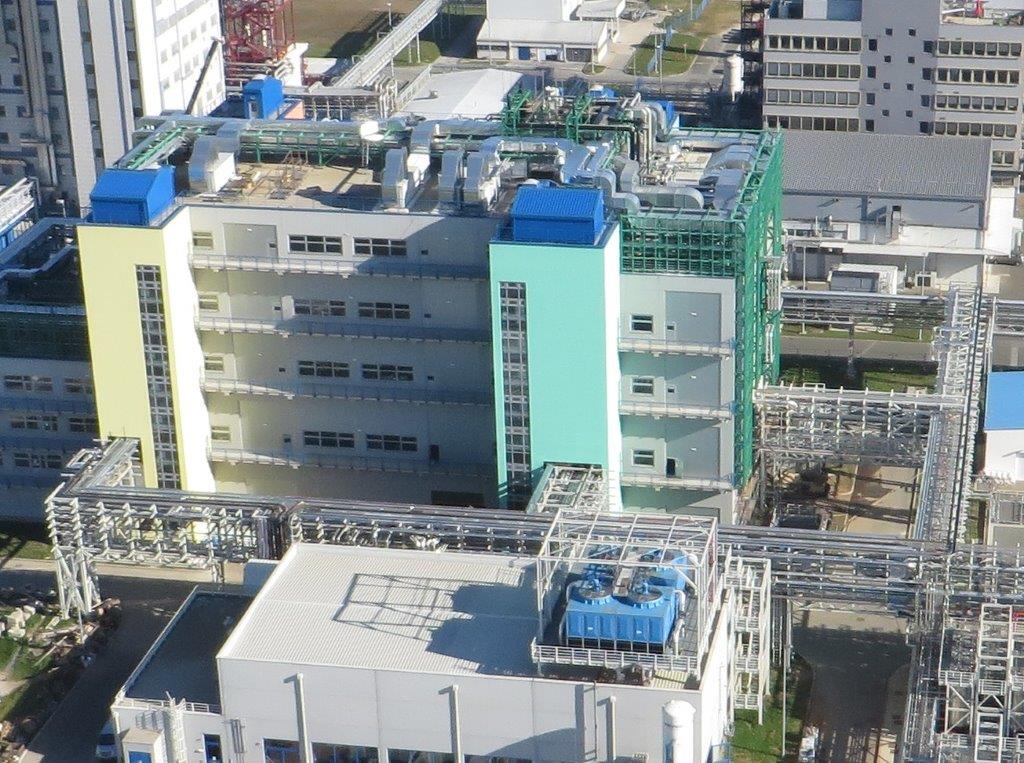
The new state-of-the-art API plant, called Synthesis SM2, formally opened in April 2016 at our Savski Marof site in Croatia. Teva api designed the plant as a multi-purpose facility with industry-leading manufacturing capabilities to meet all of our customers’ needs. Synthesis SM2 was built with sophisticated reactors, isolation/filtration units, filter and paddle vacuum dryers, and solid handling units (isolators, down flow booths and powder transfer systems). The first phase of the plant is currently online and the facility will be fully operational by the end of the year.

New Croatia plant enhances customer experience

This is Teva api’s third production facility at this location and it is already benefitting our customers in a number of ways, including:

High tech processes that produce the highest quality APIs. In planning the facility, one of Teva api’s top considerations was the use of product containment technologies to produce the highest quality APIs while ensuring the highest level of protection for our employees. The primary containment system includes closed production equipment and systems, down flow booths, in-line and off-line cleaning. The secondary containment system provides additional protection through clean rooms, access control and sophisticated HVAC systems. Safety features and an advanced distributed control system ensure we have rigorous process control and monitoring procedures and secure data storage that meet current Good Manufacturing Practice (cGMP) requirements and EHS standards, as well as new R&D guidelines.

Greater production flexibility. With the flexibility to produce different APIs with different chemical syntheses operations on the same state-of-the-art equipment, the plant is able to respond more quickly to customers’ changes, such as requests to increase product quantity or an order for a different active pharmaceutical ingredient. Currently, the plant focuses on batch production of highly potent APIs (OHC-4 level) for a variety of drug products including solid oral dosage forms and parenterals, and can accommodate orders ranging from 10 kilograms up to hundreds of kilograms.

Increased production capacity. With Synthesis SM2 now online, we are able to streamline supply chain processes and fill and ship orders more quickly so customers have the materials they need to begin production on time. When the facility reaches full production capacity, it will be able to manufacture as many as 20 APIs to meet market demand worldwide.

Strong commitments to customers and our community

Product quality and prompt response to customer requests guide us in our day-to-day activities. Employees who work at the new Savski Marof plant are dedicated to developing best-in-class products that meet or exceed industry standards and government regulations. We always keep in mind that the pharmaceutical ingredients we produce will be used in drug products designed to improve the lives and health of millions of people around the world.

We also take our responsibility to protect the environment very seriously. The plant uses the best technology on the market today to pre-treat wastewater and gas emissions to make them safe, and ensure our processes comply with stringent environmental standards. A sophisticated Membrane Bio Reactor (MBR) treats wastewater on site and a regenerative thermal oxidizer (RTO) provides state of the art vapor emissions reduction and control for the plant.  Teva api Croatia is committed to operating clean and green production facilities, reducing its environmental impact on the surrounding community, and improving the ecological status of the entire site.

Customer feedback leads to continuous improvement

We consider Teva api customers our long-term partners and we count on their feedback to help us make continuous improvements in our operations. In the short time the plant has been on line, we are pleased that we are exceeding our targets for customer satisfaction and delivery reliability, and will work hard to maintain an excellent track record.

As Gabriela Mateša, Plant Coordinator noted, “Customer experience means we go above and beyond the norm. It is our ability to anticipate their needs and react quickly to deliver outstanding products and services on time.” “Customer feedback is shared with all employees,” Siniša Feichtinger, Technological Process Leader, pointed out. “We know that our daily activities contribute to customer satisfaction and that empowers us to do an even better job.” Zvonimir Lacković, Technological Process Worker, feels that outstanding customer experience results from a combination of factors. “When best-in-class systems, tools and processes are combined with employee engagement and empowerment, it creates a culture of continuous improvement. It’s a new way of working and in the end, our customers will be the true beneficiaries.”

To learn how Teva api’s team of experts can meet your specialized needs, please contact us.


At Teva api, we believe that great things come from great partnerships. We thrive on close collaboration with our customers and are committed to providing them with exceptional experiences. Partnering together, we help our customers bring their high-quality products to market efficiently and effectively.

Delivering exceptional experiences means keeping our customers at the center of all we do. Our care and passion fuel our purpose: to ensure we are providing service excellence so that we can improve people’s health and make them feel better all around the world.

Teva api online customer portal

As a Teva api customer, we will provide you with a dedicated team of experts who will work with you throughout the project lifecycle. This team includes an account manager, a customer experience expert, and a supply chain representative.

You will also have the ability to manage your API projects with us in real time through our online customer portal – Teva api Connect. You can submit service requests, gain access to more than 5,000 documents for immediate download, and track your orders.

Synthetic Organic Chemistry

Teva api process development and production capabilities in synthetic organic chemistry cover a broad range of synthetic products and state-of-the-art technologies. Our development expertise is backed by our comprehensive understanding of these processes and an unwavering commitment to R&D investment. As a result, we provide you with high-quality APIs, while meeting the most stringent industry standards.

Our capabilities in the field of synthetic organic chemistry include the majority of reaction types, among others: O-alkylation, N-alkylation, aliphatic and aromatic nucleophilic substitution, catalytic hydrogenation, catalytic reduction, biocatalysis, redox reactions, photochemical reactions, organometallic reactions, stereoselective reactions, multicomponent reactions, catalytic reactions.

Teva api’s Synthetic Organic Chemistry process

Teva api provides a robust synthetic process from API conception all the way to commercial production. This process is specifically designed to be atom-efficient, safe and environmentally friendly without compromising product purity. The most rigid analytical and physical control methods are utilized to deliver desired polymorphs compatible with the stringent demands of regulatory bodies in target countries. And, our knowledgeable IP experts are available to answer questions and help you maintain your competitive edge in the marketplace.

Teva api operates five R&D centers worldwide. There, our top researchers with wide-ranging scientific expertise continually strive to bring new APis to the market and to improve our processes so you benefit from industry-leading learnings and materials. Scientists in several of TAPI’s large pilot plants – with capacities ranging from 200 ml to 480 l – are developing technologies to deliver and implement new processes that will enhance our production capabilities.

For the past few years identification and control of genotoxic impurities in pharmaceutical products has become worldwide one of key issues within development and commercialization of the products. Since some of these impurities may cause mutations and potentially a cancer, there are efforts to avoid and/or keep them to minimal levels to limit the potential carcinogenic risks and so ensure the safety of the products.

Consequently, both drug developers and drug producers including API suppliers are investing vast resources in assessments of potential impurities in their products and in developing analytical methods to determine and control the toxic ones to assure compliance of their products with the relevant health regulations.

Genotoxic impurities in pharmaceutical products

Impurities in pharmaceutical products result from their synthesis and/or subsequent degradation and so their occurrence of the impurities cannot be completely avoided. They are defined as substances that yield no therapeutic benefit, but have the potential to cause adverse effects. Thus, impurity levels in the products must be controlled to ensure their safety. Some of the impurities are genotoxic and may cause deleterious changes in the genetic material of cells. The genotoxic compounds, which have a potential to directly damage DNA through chemical reactions with DNA, even if present at very low levels, leading to mutations and also subsequently potentially cause a cancer, are denominated as DNA-reactive or mutagenic. They may also act as mutagenic carcinogens. Thus, they should be controlled at levels  expected to pose negligible carcinogenic risks. These levels are much lower than those for ordinary impurities. Other types of genotoxic compounds that are non-mutagenic (e.g. clastogens) typically have threshold mechanisms and usually do not pose any carcinogenic risks in humans at the level ordinarily present as impurities.

Tackling impurities through regulation

There are several regulatory guidelines focused on controlling impurities in  pharmaceutical products. Since the guidelines for the ordinary impurities do not specify any acceptable levels for the genotoxic impurities, regulatory authorities have developed ones specifically addressing the genotoxic impurities: “A rationale for determining, testing, and controlling specific impurities in pharmaceuticals that possess potential for genotoxicity”, Muller et al., 2006; “Guideline on the limits of genotoxic impurities”, EMA, 2007; “Questions and answers on the Guideline on the limits of genotoxic impurities’”, EMA, 2010; “Guidance for Industry: Genotoxic and Carcinogenic Impurities in Drug Substances and Products: Recommended Approaches”, FDA, 2008 “Assessment and control of DNA reactive (mutagenic) impurities in pharmaceuticals to limit potential carcinogenic” ICH M7, 2014, and recently published addendum to ICH M7, 2015: “Application of the principles of the ICH M7 guideline to calculation of compound-specific acceptable intakes” (draft).

The purpose of these guidelines is to provide a practical framework that can be applied to the identification, categorization, qualification, and control of genotoxic impurities to limit potential carcinogenic risks.

Toxicological assessments

All actual and potential impurities with known structures that are likely to arise during  synthesis and storage of a drug substance and a drug product should be assessed for their genotoxicity  by literature searches for carcinogenicity and mutagenicity data. If no data are available, an assessment of Structure-Activity Relationship (SAR) should be performed by a computational toxicology assessment (QSAR -quantitative SAR software using one rule-based system (e.g. DEREK) and one statistical-based system (e.g. Sarah) to identify presence of alterting structures in molecules predicting mutagenicity in bacteria. The impurities are then categorized to Classes 1 – 5 (Müller’s approach). Based on the literature data, known mutagenic carcinogens are classified as Class 1, known mutagens with unknown carcinogenic potential as Class 2 and compounds with sufficient effidence of no mutagenic and carcinogenic effects as Class 5. Compounds with the structural alerts, which are not related to the structure of the drug substance, are classified as Class 3 and those with the structural alerts related to the structure of the drug substance which has been proved to be non-mutagenic, as Class 4. Compounds with no structural alerts are Class 5. The outcomes of the computer programs should be always reviewed by experts to provide additional supportive evidence of the results. Since the bacterial mutagenicity assay is able to detect mutagenic carcinogens in rodents and humans, the positive structural alerts may be overruled by negative results of this assay. Optionally, if there are positive results from the in vitro test in bacteria, their relevance can be further investigated using appropriate in vivo tests.

Risk characterization

Appropriate acceptable intakes must be set for the impurities of Class 1 – 3 while the impurities of Class 4 and 5 are treated as non-mutagenic impurities. In case of Class 1 compound-specific limits can be derived either from their rodent carcinogenic potency, if there are positive carcinogenicity data. or their no-observed effect levels if there is evidence of a practical threshold. The compound-specific acceptable intakes can be also based on recommended values published by internationally recognized bodies (e.g. WHO, US EPA).

To control the genotoxic impurities withoutsufficient toxicological data, i.e. Class 2 and 3 compounds,, a concept of Threshold of Toxicological Concern (TTC) has been proposed. The TTC concept defines an acceptable intake of any unstudied chemical that poses a negligible risk of carcinogenicity or other toxic effects. This concept takes into account the fact that duration of exposure is a key factor impacting on the probability of a carcinogenic response. A daily intake of a genotoxic impurity at a level of 1.5 μg/day over life-time is considered to be associated with a negligible carcinogenic risk (<10-5). Accordingly, the acceptable cumulative lifetime dose is 38.3 mg (1.5 μg/day x 25,550 days). Then, if there are less-than-lifetime exposures this cumulative lifetime dose is distributed over total number of days during the exposure. The recommended limits for daily intakes of an individual genotoxic impurities are: 1.5,  10, 20 and 120 μg/day for more than 10 years to lifetime, 1-10 years, 1-12 months and  less than 1 month, respectively. . However, higher intakes may be justified in some cases, e.g. human exposure is much greater from other sources, indications for severe disease, reduced life expectancy, late onset but chronic disease, or with limited therapeutic alternatives etc.

Options to control genotoxic impurities in APIs

The strategy for monitoring genotoxic impurities is based on product and manufacturing process understanding, and utilizes risk management principles, aimed at ensuring process performance and product quality. The impurity may be then tested in the drug substance or raw or intermediate material at or below the acceptable limit, at an intermediate stage with a higher limit if its fate and purge lead to the levels in the drug substance at or below 30 % of the acceptable limit. If the impurity is effectively purged due to its physico-chemical properties and used manufacturing process, no testing of the impurity is required.

Conclusion

Extensive efforts are being made to control impurities, particularly the DNA-reative ones identified based on the toxicity assessments, to assure the safety of the pharmaceutical products. It means extensive investment in resources which may include the redesigning of the synthetic process to avoid introducing of unsafe impurities and/ormodification of relevant process parameters to remove or reduce such impurities to acceptable carcinogenic risk level,  and to take additional considerable measures for controling the impurities at very low concentrations.

Contact us

Step 1 of

    First name*
    Last name*
    Business email*
    Company*
    Job title*
    Country*
    I'm interested in*
    Segment of interest*
    Tell us more about your project
    Select product*
    Formulation
    Project type*
    Target market
    Quantity
    Comments
    Disclaimer: This material might be protected by exclusive rights such as patents and/or supplementary protection certificates or extensions in certain jurisdictions, and therefore might not be available for specific countries. TAPI will only be able to offer and supply this pharmaceutical ingredient in the countries and exclusively for uses that are exempt from infringement of such exclusive rights in accordance with applicable law. TAPI requires adequate confirmation of the exempt use upon ordering.
    By clicking submit, you are agreeing to our Privacy Policy